Phase 5 insurance cluster
Water Damage Insurance Claims, Coverage & Payout Guides
Use these pages to understand claim workflow, documentation, deductibles, valuation, flood distinctions and estimate disagreements without confusing restoration cost with policy coverage.
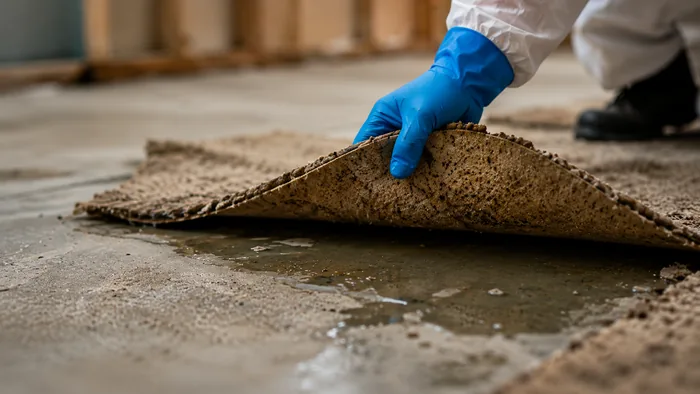
Editorial rule: contractor scope, policy coverage and insurer payment are treated as separate questions. Official regulator and FEMA/NFIP sources are used where the topic depends on claim rules.
National BOFU insurance guides
Water Damage Insurance Claim
Open guide →Water Damage Insurance Payout
Open guide →Water Damage Insurance Claim Calculator
Open guide →Water Damage Insurance Deductible
Open guide →ACV vs RCV for Water Damage
Open guide →Water Damage Claim Denied
Open guide →Water Damage Claim Underpaid
Open guide →Water Damage Adjuster Estimate
Open guide →Contractor Estimate vs Insurance Estimate
Open guide →Does Homeowners Insurance Cover Burst Pipes?
Open guide →Does Homeowners Insurance Cover Ceiling Water Damage?
Open guide →Does Homeowners Insurance Cover Sewage Backup?
Open guide →Does Homeowners Insurance Cover Roof Leak Water Damage?
Open guide →Does Homeowners Insurance Cover Appliance Leaks?
Open guide →Flood Insurance vs Homeowners Insurance for Water Damage
Open guide →Flood Insurance Claim
Open guide →Flood Insurance Claim Denied
Open guide →Sewer Backup Insurance Claim
Open guide →Water Damage Proof of Loss
Open guide →Water Damage Insurance Documentation Checklist
Open guide →Temporary Repairs After Water Damage
Open guide →Water Damage and Mold Insurance Coverage
Open guide →Water Backup Endorsement
Open guide →Public Adjuster vs Company Adjuster
Open guide →Selected local insurance guides
Water Damage Insurance Claim in Houston, TX
Open local guide →Water Damage Insurance Claim in Miami, FL
Open local guide →Water Damage Insurance Claim in Los Angeles, CA
Open local guide →Water Damage Insurance Claim in New York City, NY
Open local guide →Water Damage Insurance Claim in Jersey City, NJ
Open local guide →Flood Insurance vs Homeowners in New Orleans, LA
Open local guide →Why Phase 5 is intentionally smaller
Insurance content is higher-risk than ordinary restoration content because unsupported coverage claims can mislead readers. Phase 5 therefore adds a focused cluster rather than multiplying every insurance phrase across all 75 cities.