Water Damage Restoration in Cape Coral, FL
Cape Coral property owners can face water losses shaped by tropical rain, hurricanes, persistent humidity and flood exposure in many markets. Building access also matters because slab-on-grade homes, condominiums, coastal properties and buildings with extensive HVAC use can hide moisture in very different ways.
Local restoration context in Cape Coral
Florida conditions can include tropical rain, hurricanes, persistent humidity and flood exposure in many markets. Property types such as slab-on-grade homes, condominiums, coastal properties and buildings with extensive HVAC use can affect how easily a contractor can inspect floors, walls, ceilings and concealed cavities.
Common loss categories worth separating include roof intrusion, condensate failures, exterior flooding, plumbing leaks and storm-related water entry. Those are planning categories, not fabricated city-level frequency statistics.
Ask what is excluded
A low estimate may omit content handling, demolition, cleaning, reconstruction or source repair. Exclusions often explain more of the price gap than hourly rates or equipment charges.
Review drying days carefully
The number of equipment days should have a reason behind it. More days do not automatically mean better work, and fewer days do not automatically mean efficiency. Progress should be supported by measurements.
Keep a written record
Written scopes, photographs, drying logs and change orders make it much easier to compare providers and to explain the loss later if insurance questions arise.
Review quantities line by line
Differences in square footage, linear footage, equipment counts or demolition quantities often explain estimate gaps. Comparing quantities is more useful than arguing about the total alone.
Think in layers
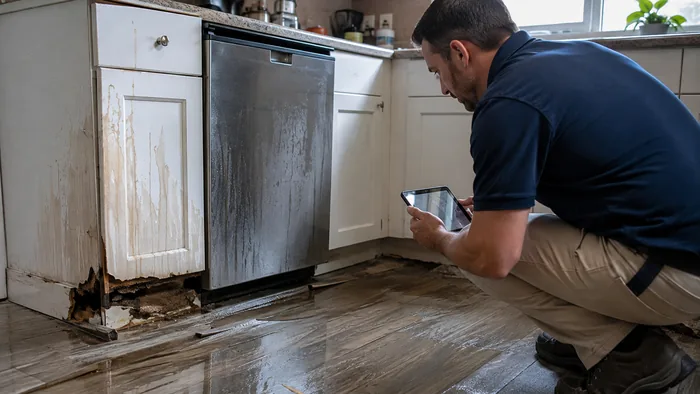
Flooring may cover underlayment and subfloor; walls may contain insulation and framing; cabinets can trap moisture behind toe kicks. A local estimate should make clear which layers were actually evaluated.
Separate contaminated water from clean-water losses
A sewage backup or exterior flood requires a different cleaning and material-removal discussion from a relatively clean supply-line leak. The source matters before price comparisons begin.
Review the condition at project end
Before work begins, ask what 'complete' means: dry materials, cleaned surfaces, debris removal, reconstruction, or some combination. Different providers may stop at different points.
Map the full moisture boundary
Visible water rarely defines the whole loss. Moisture can move under flooring, behind cabinets, through wall cavities or into the ceiling below. A useful local guide should explain how a contractor verifies the boundary rather than assuming the stain marks the end of the problem.
Document changes in scope
If wet insulation, subfloor or hidden wall damage appears after selective demolition, the scope may legitimately change. That change should be tied to a specific condition, photograph or measurement.
Do not confuse extraction with drying
Removing standing water is only the first stage. Structural drying deals with moisture that remains inside materials and assemblies, often after the visible water is gone.
Three loss scenarios to think through in Cape Coral
Roof intrusion
When a loss begins with roof intrusion, the first task is to confirm the source and map how far moisture moved. The repair decision then depends on contamination, material type, access and elapsed time. The same source can create a minor job in one property and a much larger project in another.
Plumbing leaks
When a loss begins with plumbing leaks, the first task is to confirm the source and map how far moisture moved. The repair decision then depends on contamination, material type, access and elapsed time. The same source can create a minor job in one property and a much larger project in another.
Storm-related water entry
When a loss begins with storm-related water entry, the first task is to confirm the source and map how far moisture moved. The repair decision then depends on contamination, material type, access and elapsed time. The same source can create a minor job in one property and a much larger project in another.
How to compare two Cape Coral restoration estimates
| Item | What to compare | Why it matters |
|---|---|---|
| Rooms and surfaces | Exact areas included | Different boundaries create different totals. |
| Materials | Dry in place vs remove | Material decisions change mitigation and rebuild scope. |
| Equipment | Type, count and estimated days | Drying plans should be comparable. |
| Cleaning | Standard cleaning vs contaminated-loss procedures | Source and contamination change the work. |
| Reconstruction | Included or excluded | A mitigation-only quote is not a full repair quote. |
| Documentation | Photos, moisture logs and change orders | Written records make scope changes easier to verify. |
What this page deliberately does not invent
There is no reliable reason to publish a made-up “average Cape Coral price” or a fictional list of local providers just to make a page look more specific. Where no dependable city-level data exists, this guide focuses on the real decision variables that change scope and cost.
Estimate the physical scope before comparing quotes
Use Water Damage Calculator to organize rooms, materials and loss type before you compare contractor proposals.
Calculate Water Damage →Additional questions before you hire
What makes documentation useful for insurance
Useful documentation connects a physical condition to a specific repair decision. Photos, measurements, written scopes and receipts are stronger than a bare total because they explain why work was considered necessary.
How to review a drying log
A drying log should show that the contractor is tracking conditions over time rather than simply leaving equipment in place. Look for dates, affected materials, moisture readings, atmospheric conditions and notes explaining changes to equipment or scope.
Frequently asked questions
Can I open windows to help drying?
Sometimes, but not always. If outdoor air is humid, it can slow drying instead of helping.
Should the contractor explain why materials are removed?
Yes. The reason should relate to contamination, damage, access or inability to dry the material effectively.
Is water extraction the same as restoration?
No. Extraction removes standing water. Restoration may also include drying, demolition, cleaning and reconstruction.
Is exterior flooding the same as a plumbing leak for insurance?
Usually not. Flood losses are generally treated as a separate insurance question from many interior water losses.
Does the restoration company repair the leak source?
Not necessarily. A plumber, roofer, HVAC technician or another trade may be needed.
Does homeowners insurance automatically cover water damage?
No. Coverage depends on the cause of loss, policy language, deductible and exclusions.
What if the water is near electrical systems?
Avoid entering an unsafe area. Electrical hazards may need to be isolated before restoration work proceeds.
Is mold automatic after every water loss?
No. But unresolved moisture can create conditions that support microbial growth, so timely drying matters.
Why can two local estimates differ so much?
They may include different rooms, materials, equipment days, demolition assumptions, cleaning or reconstruction.
What is a change order?
A written change to the original scope or price, usually because new conditions were discovered or work changed.
How long does structural drying take?
There is no single duration. Material type, moisture level, humidity, access and equipment performance all matter.
Should I choose the cheapest quote?
Not automatically. First make sure both quotes describe the same work and have similar exclusions.