Water Damage Insurance Claim in Los Angeles, CA
This page focuses on documentation and scope comparison during a property claim. It does not determine coverage. This local version applies the intent to Los Angeles without pretending that the city name changes the underlying physics of water damage.
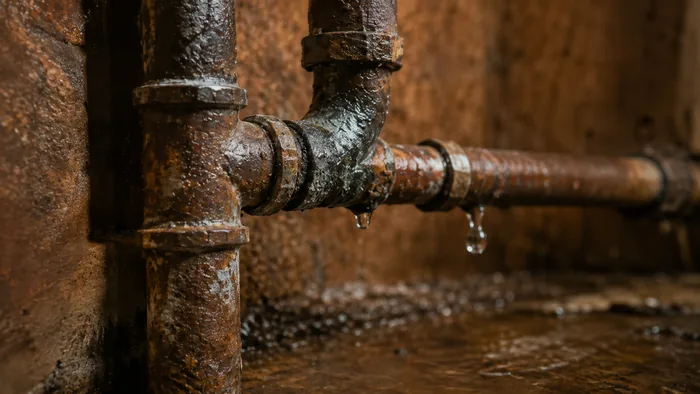
How this intent differs from general water damage restoration
This page focuses on documentation and scope comparison during a property claim. It does not determine coverage.
That distinction matters because a homeowner searching for water damage insurance claim is usually comparing a narrower decision than someone researching restoration generally. The page therefore emphasizes the work, risks and estimate questions that belong to this intent.
Keep physical scope separate from coverage
The contractor documents what the property needs. The insurer applies the policy. Keeping those questions separate makes estimate disagreements easier to analyze.
What claim documentation should connect to
Photos, estimates, moisture logs and receipts are strongest when they explain a specific condition or repair decision rather than simply adding paperwork.
How to compare contractor and adjuster scopes
Compare measurements, materials, demolition, drying, reconstruction, depreciation and deductibles line by line rather than arguing over the total alone.
What to do when hidden damage appears
Document the new condition, ask the contractor to explain the added work and provide the information to the insurer for review.
How to compare this service in Los Angeles
| Question | What to compare |
|---|---|
| Problem definition | Is the contractor solving the same intent described on this page? |
| Affected area | Are the same rooms, surfaces and hidden assemblies included? |
| Materials | Are both providers making the same dry-vs-remove assumptions? |
| Equipment or labor | Do quantities and days reflect the same technical plan? |
| Cleaning or contamination | Are special procedures included when the water source requires them? |
| Reconstruction | Is final repair included, excluded or quoted separately? |
How to use photos productively
Photos should show source, affected areas, removed materials and progress. They are most valuable when linked to specific scope decisions.
What a useful monitoring plan looks like
The contractor should be able to explain when the property will be rechecked, what readings will be taken and what conditions justify removing equipment.
What to verify before work expands
Ask what new condition was discovered, what evidence supports the change and how the added work differs from the original scope.
How adjacent rooms can become involved
Water can move through continuous flooring, shared walls and lower levels. The discovery room is not always the full damage boundary.
How to handle change orders
Changes should be written, tied to a documented condition and approved through a clear process rather than appearing as unexplained added charges.
Why this page does not use a generic city template
The search intent matters more than the city label. A sewage-cleanup page should discuss contamination and material handling; a flood-cleanup page should discuss exterior water, sediment and flood coverage; an extraction page should discuss standing-water removal and the transition to drying. Those are different decisions and this rewrite treats them as such.
How this intent plays out in Los Angeles
Los Angeles sits within a California context shaped by mixed urban building stock, multifamily systems, plumbing failures and episodic heavy rain. That context can change access, drying conditions and insurance questions, but the service intent still determines what this page should answer.
How contractor evidence can support a scope dispute
Photos, measurements and written reasoning are stronger than a bare replacement request. Documentation should connect each requested line item to a physical condition.
Why depreciation and deductible should not be confused with scope
A contractor can identify the full repair need while the insurer applies valuation rules separately. A lower payment does not necessarily mean a smaller physical scope.
Why receipts for temporary work matter
Emergency plumbing, tarping, extraction and other temporary measures can be easier to explain when receipts and photos are preserved.
What to request when an estimate is denied or reduced
Ask for the specific line items or policy basis behind the decision so that any response can address the actual disagreement.
Why written communication helps
Email and written claim notes create a clearer record of requests, decisions and unresolved issues than memory alone.
How to decide whether a second opinion is worthwhile
A second scope can be useful when the first estimate is vague, demolition is extensive, or the technical reasoning is not explained.
How to compare line items instead of totals
Put both estimates side by side and compare quantities, equipment, demolition, cleaning, disposal and reconstruction. A total alone hides the reason for disagreement.
What to ask when a material is being removed
The provider should be able to explain whether removal is driven by contamination, damage, access or inability to dry.
What to ask about completion documentation
Request final photos, drying records, invoices and any change orders so there is a clear record of what was done.
Page-specific decision notes for Los Angeles
A practical Los Angeles scope for claim documentation, estimate reconciliation and scope evidence should not ignore episodic heavy rain, especially when water may have reached laminate. When the problem sits beneath appliance platforms, the estimate should explain how the team will document the assembly and verify any change in scope before the claim scope is challenged. The useful question is how far the moisture boundary extends, not whether the page can produce a decorative local average.
One reason two Los Angeles estimates can diverge is that one provider may account for episodic heavy rain while the other treats insulation as a simple surface issue. When the problem sits under continuous flooring, the estimate should explain how the team will justify the assembly and verify any change in scope before demolition expands. The useful question is how far the moisture boundary extends, not whether the page can produce a decorative local average.
One reason two Los Angeles estimates can diverge is that one provider may account for slow hidden leaks while the other treats insulation as a simple surface issue. If the affected area is inside wall cavities, the provider should trace access conditions and separate the moisture boundary before treating the project as complete. This is the point where a local guide should help with whether cleaning must precede drying rather than repeat national copy.
A practical Los Angeles scope for claim documentation, estimate reconciliation and scope evidence should not ignore mixed-age housing, especially when water may have reached baseboards. When the problem sits beneath appliance platforms, the estimate should explain how the team will verify the assembly and review any change in scope before treating the project as complete. The useful question is whether drying in place is reasonable, not whether the page can produce a decorative local average.
One reason two Los Angeles estimates can diverge is that one provider may account for slow hidden leaks while the other treats framing as a simple surface issue. Because the material may be inside wall cavities, it is reasonable to ask how the contractor will review hidden moisture and verify the result before the homeowner signs a broader work authorization. That matters because the homeowner ultimately has to decide how many equipment days are supportable.
A practical Los Angeles scope for claim documentation, estimate reconciliation and scope evidence should not ignore slow hidden leaks, especially when water may have reached cabinetry. When the problem sits below a finished ceiling, the estimate should explain how the team will document the assembly and verify any change in scope before the claim scope is challenged. That matters because the homeowner ultimately has to decide whether a second opinion is justified.
A practical Los Angeles scope for claim documentation, estimate reconciliation and scope evidence should not ignore mixed-age housing, especially when water may have reached baseboards. Because the material may be behind baseboards, it is reasonable to ask how the contractor will review hidden moisture and trace the result before moving from emergency work into repairs. That matters because the homeowner ultimately has to decide how far the moisture boundary extends.
In Los Angeles, a claim documentation, estimate reconciliation and scope evidence decision can become more complicated when tight urban access intersects with moisture in framing. Because the material may be under stair landings, it is reasonable to ask how the contractor will measure hidden moisture and trace the result before the claim scope is challenged. This is the point where a local guide should help with whether reconstruction belongs in the same estimate rather than repeat national copy.
One reason two Los Angeles estimates can diverge is that one provider may account for mixed-age housing while the other treats insulation as a simple surface issue. When the problem sits around utility chases, the estimate should explain how the team will separate the assembly and verify any change in scope before a price comparison is meaningful. That matters because the homeowner ultimately has to decide whether cleaning must precede drying.
One reason two Los Angeles estimates can diverge is that one provider may account for mixed-age housing while the other treats cabinetry as a simple surface issue. Because the material may be inside an attic transition, it is reasonable to ask how the contractor will review hidden moisture and measure the result before treating the project as complete. The useful question is whether selective removal is necessary, not whether the page can produce a decorative local average.
Estimate the physical scope before comparing providers
Use Water Damage Calculator to organize rooms, materials and loss type before you compare quotes.
Calculate Water Damage →Frequently asked questions
Can this page tell me if my loss is covered?
No. Coverage depends on the policy, cause and documented facts.
What if the adjuster estimate is lower than the contractor estimate?
Compare line items, quantities and assumptions to identify the specific difference.
Should I keep drying logs for a claim?
Yes. They can help explain the condition and work performed.
Does the contractor decide the insurance payout?
No. The insurer determines claim payment under the policy.
Can odor disappear before the problem is solved?
Yes. Odor control does not prove that contamination or hidden moisture is resolved.
How do I know if a contractor is quoting the same scope as another?
Compare rooms, quantities, materials, equipment, demolition, cleaning, reconstruction and exclusions.
Does the page provide a guaranteed local price?
No. The actual price depends on the property and scope.
Should changes be documented?
Yes. Added work should be tied to a specific condition, photo or measurement.
Why are moisture readings important?
They help define the affected area and show whether drying is progressing.
Why should I ask where the scope ends?
One provider may stop after mitigation while another includes full repairs.
Can outside humidity affect drying?
Yes. Humid outdoor air can slow drying and influence the equipment plan.
Should all local deep-service pages use the same advice?
No. Extraction, sewage, flood, emergency, cost and insurance intents involve different decisions and should not be treated as interchangeable.